

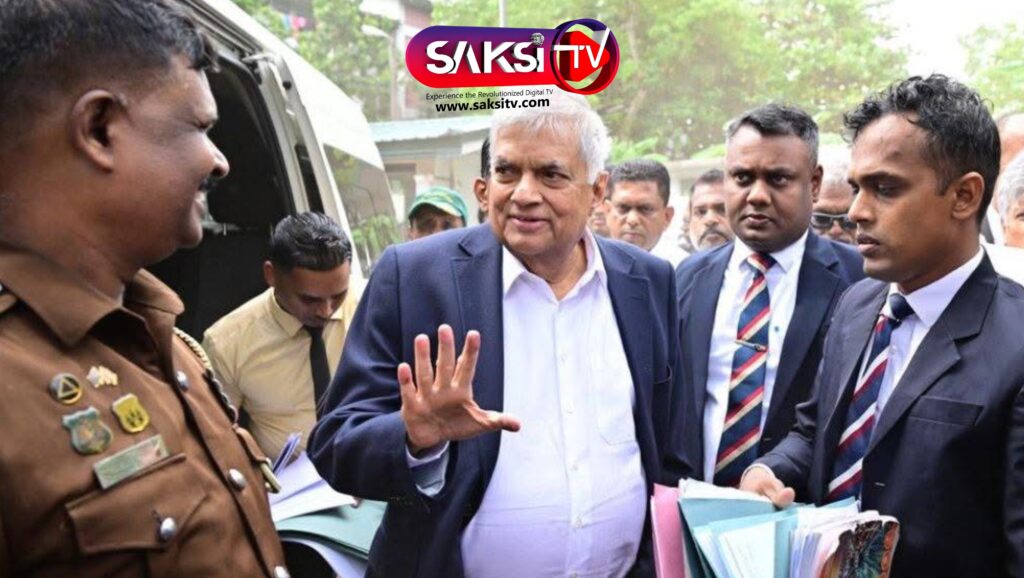
Former President Ranil Wickremesinghe was produced before the Colombo Magistrate’s Court today following his arrest by the Criminal Investigation Department (CID). Notably, Wickremesinghe was brought to court without handcuffs, a move that drew attention among observers.
Upon arrival, Wickremesinghe requested the police to allow journalists and photographers to perform their duties without obstruction, emphasizing the importance of media access during the proceedings.
During the hearing, the Colombo Magistrate expressed strong dissatisfaction over the premature public announcement regarding Wickremesinghe’s arrest. The Magistrate said that such prior disclosures had lowered the dignity of the judiciary and risked undermining due process.
In addition, the Magistrate requested that his personal security arrangements be further strengthened in light of the sensitive nature of the case.
Wickremesinghe, who served as Sri Lanka’s President from 2022 to 2024, faces allegations of misusing state funds to cover expenses for a private visit to London. The case has drawn widespread attention as he becomes the first former head of state in Sri Lanka to be taken into custody.
Can a Former President Be Arrested in Sri Lanka?
Wickremesinghe’s detention sparks historic first, ending long-held presidential immunity once out of office.
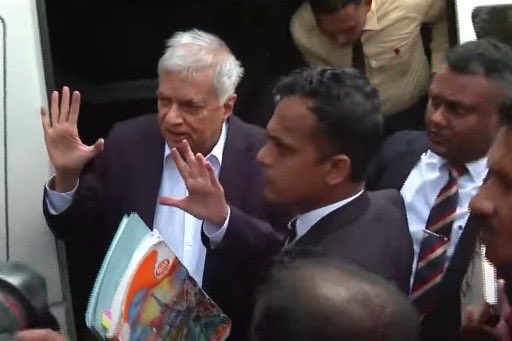
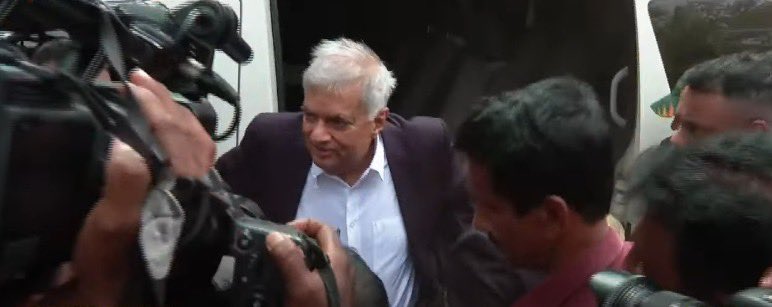

The arrest of former President Ranil Wickremesinghe has raised widespread debate and questions about whether a former head of state can be taken into custody in Sri Lanka.
Under the Sri Lankan Constitution, the President enjoys full immunity from civil and criminal proceedings while in office. Article 35 of the Constitution makes it clear that no court action can be filed against a sitting President during their term.
However, once a President leaves office, this immunity no longer applies. A former President is subject to the same laws as any other citizen and can be investigated, arrested, and prosecuted if credible evidence of wrongdoing exists.
This makes Wickremesinghe’s case historic, as no former head of state in Sri Lanka has previously faced arrest. Legal experts say the development underscores a growing push for accountability in the use of public funds and the conduct of top officials.
The case is now expected to test both Sri Lanka’s legal framework and the political climate, as the courts proceed with hearings and possible charges.