


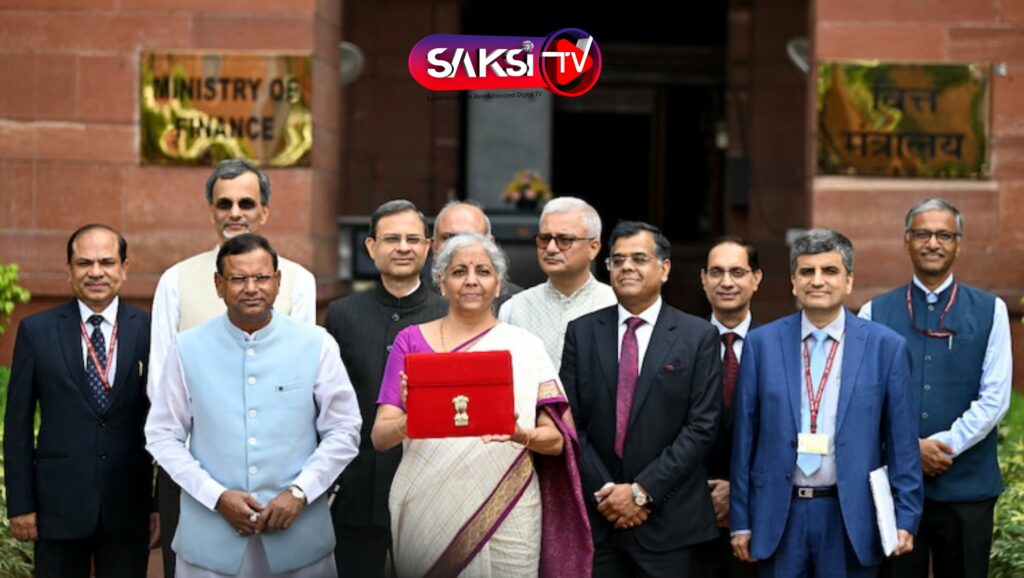
Indian Prime Minister Narendra Modi’s government has unveiled an annual budget focused on appealing to the country’s middle class and spurring economic growth by boosting agriculture and manufacturing.
Announcing the Anual Budget in parliament on Saturday, Finance Minister Nirmala Sitharaman said people earning up to 1.28 million Indian rupees ($14,800) per year will not have to pay any taxes, raising the threshold from 700,000 rupees.
The government also lowered tax rates for people earning above the new threshold, as the world’s fifth-largest economy aims to boost domestic demand amid uncertainty over the global economic outlook due to potential new tariff barriers.
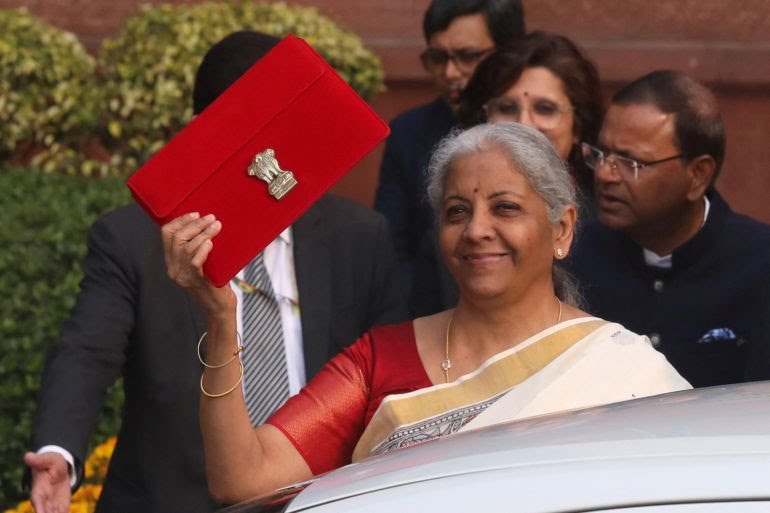
“The new structure will reduce taxes on middle class and leave more money in their hands, boosting household consumption, savings and investment,” India’s Finance Minister Nirmala Sitharaman said.
The India’s Ministry of External Affairs (MEA) has allocated INR 54,830 million for aid to foreign nations, higher than last year’s budget estimate of INR 48,830 million, but lower than last year’s revised estimate of INR 58,060 million.
Meanwhile, Sri Lanka saw an increase in its aid allocation at INR 3,000 million from last year’s budget estimate of INR 2,450 million.
The overall budget for the MEA stands at INR 20,516 crore — lower than the budget estimate of INR 22,154 crore and revised estimate of INR 25,277 crore, for the year 2024-2025.